


How long can you wear an adult diaper becomes easier to solve when the first observation is specific and the next change is small. This guide connects the symptom to fit, flow, position and routine without promising that one product works for everyone.
How Long can you Wear an Adult Diaper: start with one observable condition
The useful way to approach how long can you wear an adult diaper is to define the product-management boundary and identify when symptoms need professional evaluation. Start with observable conditions, make one controlled change, and judge the result in the setting where the product actually has to work.
The first useful note is rarely “the product failed.” Write down where the problem began, what the wearer was doing, how long the product had been in place, and whether the absorbent area was fully used. Those observations help distinguish a product-form problem from a size, flow, position, supply or timing problem.
This approach also protects the person from unnecessary changes. A larger brief, another insert or a more expensive case may add work without correcting the original cause. A small controlled trial is slower than guessing once, but faster than repeating the same failure for a month.
John’s everyday analogy — The Washing Machine’s Last Minute. A washer can display ‘one minute remaining’ for far longer while it rebalances the load. Wear-time labels behave like estimates, not guarantees: fit, output, movement, heat, skin condition, and access to a change all determine the practical limit.
The point of the scene is not to compare household objects with a person. It is to notice how small conditions—weight distribution, one loose edge, an unreachable backup or a delayed stop—can change the result. That same discipline keeps how long can you wear an adult diaper grounded in what happened rather than in a sweeping promise.
Separate the problem into fit, flow, position and routine
Products manage leakage, not cause
Absorbent products can reduce wetness and protect clothing but do not diagnose why control changed. For this search, the phrase how long can you wear an adult diaper should stay tied to that specific condition rather than becoming a broad claim about every adult incontinence product. The practical test is to describe the starting condition, the single change, and the observed result.
A fixed wear time is not universal
Output, bowel soiling, skin, product fit and the care plan determine when a change is needed. For this search, the phrase how long can you wear an adult diaper should stay tied to that specific condition rather than becoming a broad claim about every adult incontinence product. The practical test is to describe the starting condition, the single change, and the observed result.
Track meaningful changes
Timing, urgency, pain, blood, fever, difficulty urinating and sudden functional changes belong in a clinical conversation. For this search, the phrase how long can you wear an adult diaper should stay tied to that specific condition rather than becoming a broad claim about every adult incontinence product. The practical test is to describe the starting condition, the single change, and the observed result.
Do not restrict fluids without guidance
Trying to reduce product use by drinking less can create other problems and should not be improvised. For this search, the phrase how long can you wear an adult diaper should stay tied to that specific condition rather than becoming a broad claim about every adult incontinence product. The practical test is to describe the starting condition, the single change, and the observed result.
The overlooked question behind how long can you wear an adult diaper
Can an adult diaper be worn for 8 to 10 hours without increasing skin risk?
This question stays unresolved when the answer jumps directly to a brand, a size letter or an absorbency tier. It becomes answerable when the conditions are separated. Record who applies the product, whether the wearer is standing, sitting or lying down, how the liquid arrived, where the first wet mark appeared, and whether the core was fully used. Those details turn a vague complaint into a controlled next step.
The aim is not to produce a perfect score for one trial. The aim is to reduce uncertainty. When one variable changes and the result is recorded, the next purchase, caregiver handoff or travel plan has a clearer reason behind it.
Keep the question narrow: solve how long can you wear an adult diaper first, then use the linked size, leak, care or product guide for the next decision. A focused sequence prevents one symptom from being forced into one answer.
What often makes how long can you wear an adult diaper harder to diagnose
- Treating a new symptom as only a product problem.
- Using an overnight label as a medical schedule.
- Ignoring pain, fever, blood or difficulty urinating.
- Changing medication or fluids without professional guidance.
None of these mistakes means a caregiver or wearer has failed. Most happen because package language compresses several decisions into one number. Returning to the observable condition makes the next trial more specific and easier to explain to another family member, caregiver or customer-service representative.
What the pattern may suggest
| Observed signal | Useful next interpretation |
|---|---|
| Sudden new leakage | Professional evaluation may identify a treatable cause. |
| Pain, fever or blood | Seek timely medical guidance. |
| Difficulty urinating | This is not an absorbency problem. |
| Rapid mobility or behavior change | The wider health context needs attention. |
These are decision cues, not diagnoses. The same visible sign can have more than one cause. Use the table to choose what to inspect next, then confirm the result through one controlled change in the normal setting.
A five-step way to test the next adjustment
- Record when the change began.
- List symptoms, medications and recent routine changes.
- Keep a short bladder or bowel diary when appropriate.
- Use products for management while seeking guidance.
- Bring specific observations to the appointment.
Keep the test ordinary. Use the normal chair, sleep position, clothing, caregiver method or travel route. A trial performed only while standing still can miss the exact movement or pressure that creates the problem. After the trial, write one sentence about what improved, what remained unchanged and what new concern appeared.
Product and guide links for the next decision
Know when the product question is no longer the only question
Seek professional care for new or worsening incontinence, pain, blood in urine or stool, fever, difficulty urinating, neurological symptoms or serious skin damage.
Absorbent products manage leakage and protect clothing or surfaces. They do not identify the cause of new symptoms. For a general official overview, review National Institute on Aging information on urinary incontinence in older adults.
How Long can you Wear an Adult Diaper FAQs
How Long can you Wear an Adult Diaper — what should I check first?
Can an adult diaper be worn for 8 to 10 hours without increasing skin risk?
Should I change size or absorbency for how long can you wear an adult diaper?
Can I test how long can you wear an adult diaper without buying a full case?
When should how long can you wear an adult diaper be discussed with a health professional?

About John Milling
Related Posts
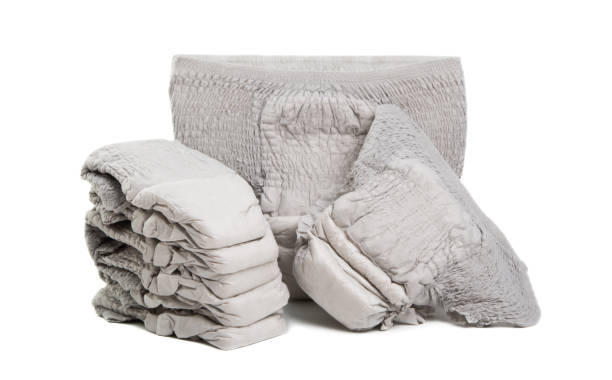
How to Use Adult Diaper Sample Packs before Buying a Case: A Real-Life Checklist
How to Use Adult Diaper Sample Packs before Buying a Case: compare the key signals, common mistakes, and one-variable tests before changing size, product form.
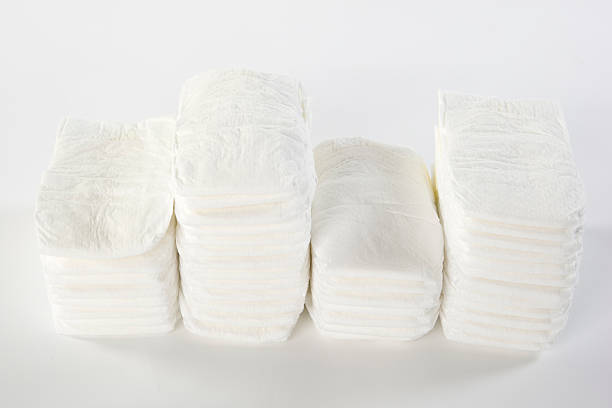
How to Talk to Parents About Adult Diapers: Before You Change Products
How to Talk to Parents About Adult Diapers: compare the key signals, common mistakes, and one-variable tests before changing size, product form, or routine.

How to Measure Waist for Adult Diapers: A Practical Guide
How to Measure Waist for Adult Diapers: compare the key signals, common mistakes, and one-variable tests before changing size, product form, or routine.

Incontinence Travel Emergency Kit: What to Check First
Incontinence Travel Emergency Kit: compare the key signals, common mistakes, and one-variable tests before changing size, product form, or routine.

Adult Diapers for Road Trips: What the Leak Pattern Can Tell You
Adult Diapers for Road Trips: compare the key signals, common mistakes, and one-variable tests before changing size, product form, or routine.
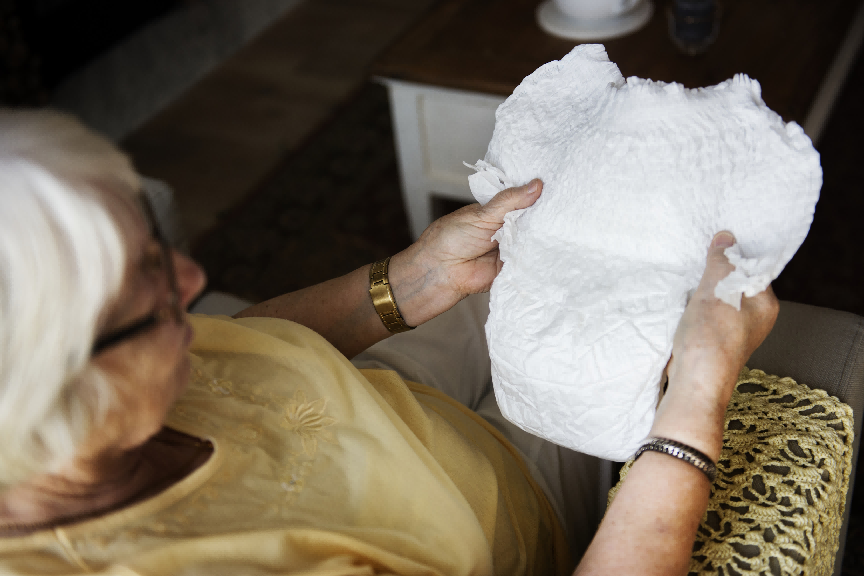
How to Dispose of Adult Diapers Discreetly: Fit, Routine and Next Steps
How to Dispose of Adult Diapers Discreetly: compare the key signals, common mistakes, and one-variable tests before changing size, product form, or routine.

Discreet Storage for Incontinence Supplies: A Real-Life Checklist
Discreet Storage for Incontinence Supplies: compare the key signals, common mistakes, and one-variable tests before changing size, product form, or routine.

Adult Diaper Privacy Conversations: Before You Change Products
Adult Diaper Privacy Conversations: compare the key signals, common mistakes, and one-variable tests before changing size, product form, or routine.

Adult Diapers for Independent Dressing: A Practical Guide
Adult Diapers for Independent Dressing: compare the key signals, common mistakes, and one-variable tests before changing size, product form, or routine.

How to Discuss Incontinence Privately: What to Check First
How to Discuss Incontinence Privately: compare the key signals, common mistakes, and one-variable tests before changing size, product form, or routine.

Adult Diaper Flow Rate for Continuous Leakage: What the Leak Pattern Can Tell You
Adult Diaper Flow Rate for Continuous Leakage: compare the key signals, common mistakes, and one-variable tests before changing size, product form, or routine.

Adult Diaper Travel Packing List: Fit, Routine and Next Steps
Adult Diaper Travel Packing List: compare the key signals, common mistakes, and one-variable tests before changing size, product form, or routine.