

Can adult diapers improve the quality of social life? In-depth user case sharing.

For many who suffer from urinary incontinence, life is no longer just a “physiological problem.” For a long time, urinary incontinence has been considered merely an embarrassing or shameful issue, but its impact on social life and mental health is often overlooked. So, can adult diapers really help improve social life? What are people’s experiences in reality? This article will combine research data, user cases, and nursing practices to explore the practical role of adult diapers in improving the quality of social life.
In the United States, especially in urban communities and among retirees, urinary incontinence has become a hidden problem affecting the quality of daily life. Choosing suitable adult diapers and managing them scientifically can not only alleviate physical inconvenience but also allow patients to re-engage in social activities and regain confidence.
Table of Contents
I. How does urinary incontinence affect social life?
challenge butUrinary incontinence is not only a physiological challenge, but also a hidden psychological and social obstacle.
- Psychological burden: Fear of accidents happening in public places, resulting in feelings of shame and anxiety.
- Social avoidance: To avoid embarrassment, many people begin to reduce going out and avoid gatherings with friends or public events.
- Decreased quality of life: Long-term social avoidance may lead to loneliness, depression, and even a decline in physical health.
Studies show that urinary incontinence is closely related to health-related quality of life (HRQOL), with “social impairment” being a significant dimension. Many patients report that anxiety and social avoidance are important factors affecting daily life, not just urinary leakage itself.
Case Study: A retired senior living in Los Angeles used to avoid socializing with friends due to mild urinary incontinence and felt extremely anxious every time he went out. After using adult diapers, he gradually regained his confidence to go out, and his quality of life significantly improved.
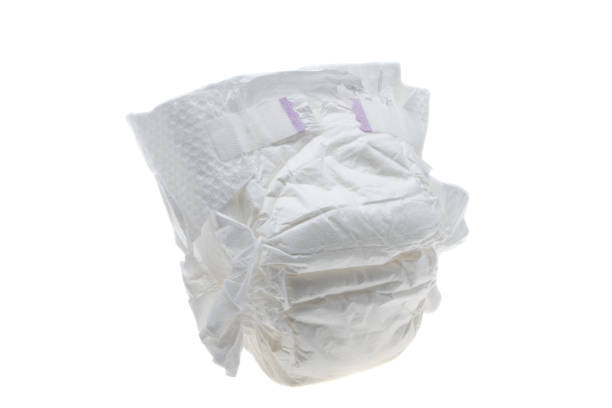
II. The Role of Adult Diapers in Social Life
While the core function of adult diapers is to absorb urine, their role in real life goes far beyond that. They can provide patients with a sense of psychological security in social environments, thereby improving their social participation.
1. Restoration of freedom of movement
Many people with urinary incontinence are afraid to go out because an accident could be embarrassing. Using adult diapers allows users to feel secure when going out, attending parties, or taking short trips. This sense of security greatly reduces the psychological burden of social activities.
User Story: Tom, a retired senior, was initially afraid to go to the community center. After starting to use the Comfort Adult Diapers, he resumed his morning exercises and community gatherings and even took the initiative to invite old friends for tea.
2. Increased confidence resulting from a sense of psychological security
Adult diapers not only protect against physiological problems but also provide a sense of psychological security:
- Reduce anxiety about “unexpected” events
- Boost confidence in going out and socializing
- Support active participation in life rather than passive avoidance
Research also supports this view. A study in Thailand showed that patients with chronic urinary incontinence experienced improved physical activity, social engagement, and overall life satisfaction after using adult diapers.
3. Promote independence and initiative in life
Using adult diapers can reduce dependence on others, especially over-reliance on caregivers. Users can plan their activities independently and do not have to give up their hobbies for fear of accidents.
Case Study: Tom, a middle-aged white-collar worker, used to avoid work meetings and dining out due to neurogenic bladder problems. After using adult diapers, he resumed accepting client appointments, regained his confidence, and experienced a significant improvement in his quality of life.
III. In-depth sharing of real user cases
Case 1: Retired Teachers Return to the Community
Background: Susan, 68, a retired teacher, had reduced her outings and social activities due to incontinence.
Change: After using highly absorbent, breathable adult diapers , she felt confident attending morning workouts and dance classes.
Result: Her social circle became active again, and her life satisfaction significantly improved.
Testimonial: “I finally stopped worrying about ‘what if I embarrass myself,’ and my life became richer again.”
Case 2: White-collar workers regain confidence in their work and social interactions
Background: Michael, 45, often experienced anxiety during meetings and client dinners due to neurogenic bladder problems.
Change: After using close-fitting adult diapers, his anxiety significantly decreased.
Result: He resumed participating in team-building activities and was more willing to interact with colleagues.
Testimonial: “The constant urge to run to the bathroom disappeared, and I regained my confidence.”
Case 3: Housewives rebuild their social circles
Background: Emily, 60, a former active community member, reduced her social life due to incontinence.
Change: Adoption of lightweight, highly absorbent diapers, combined with a potty training program.
Result: Re-engagement with family meals and community activities, even becoming a volunteer.
Testimonial: “I feel valuable again, no longer hiding at home.”
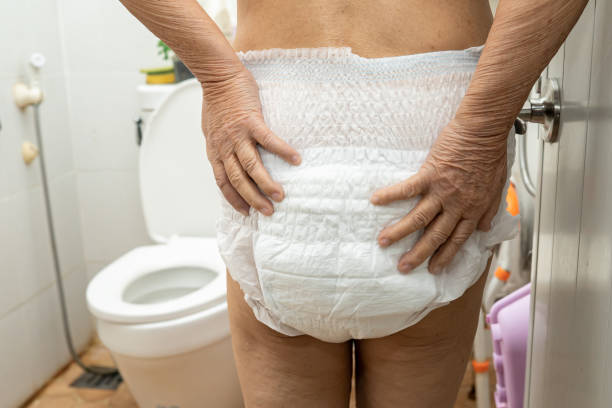
IV. Mechanisms by which adult diapers improve their social lives
Adult diapers improve their quality of social life primarily through the following methods:
Reduce psychological burden: Minimize the embarrassment caused by unexpected events
Enhancing independence: Allowing users to plan their own activities without excessive reliance on others.
Regaining initiative: Shifting from avoiding social interaction to actively participating and rebuilding your life rhythm
V. FAQ: Adult Diapers and Social Life
Q1: Will long-term use of diapers lead to dependence?
A1: No. Adult diapers are an aid to help improve symptoms when used in conjunction with bladder training and lifestyle management.
Q2: Can diapers improve mental well-being?
A2: Yes. They reduce anxiety and boost confidence when going out and socializing.
Q3: How long will it take to see an improvement in social life?
A3: It varies from person to person. Some people feel at ease in a few days, while others need several weeks of combined training.
Q4: Are there any tips for choosing diapers?
A4: Choose the size according to the degree of incontinence, activity level, and body type. You can try a small package first to confirm the comfort.
Q5: Besides adult diapers, what else can improve social life?
A5: The best results are achieved by combining behavioral training, pelvic floor muscle exercises, urination planning, and psychological counseling.
VI. Conclusion: Adult diapers are a bridge to regaining a social life.
Urinary incontinence should not be a reason to hinder social life. The scientific use of adult diapers not only solves physiological problems but also provides psychological security, allowing users to regain control of their lives. Research and real-life examples show that it can significantly improve the quality of social life, helping people re-enter the community, participate in activities, and restore self-confidence.
Adult diapers are not just protective tools but also tools that enhance social life, playing an important role in improving happiness and quality of life.
Related Posts

How to Use Adult Diaper Sample Packs before Buying a Case: A Real-Life Checklist
How to Use Adult Diaper Sample Packs before Buying a Case: compare the key signals, common mistakes, and one-variable tests before changing size, product form.
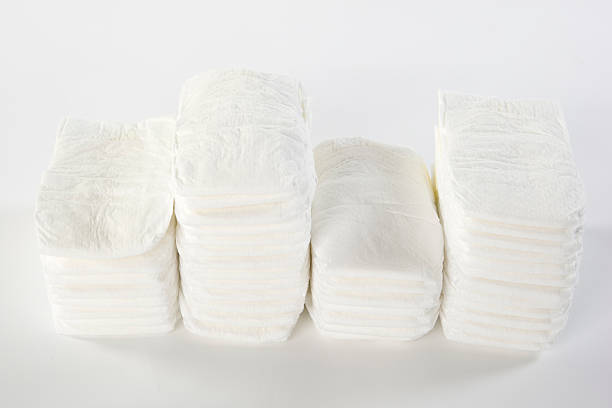
How to Talk to Parents About Adult Diapers: Before You Change Products
How to Talk to Parents About Adult Diapers: compare the key signals, common mistakes, and one-variable tests before changing size, product form, or routine.
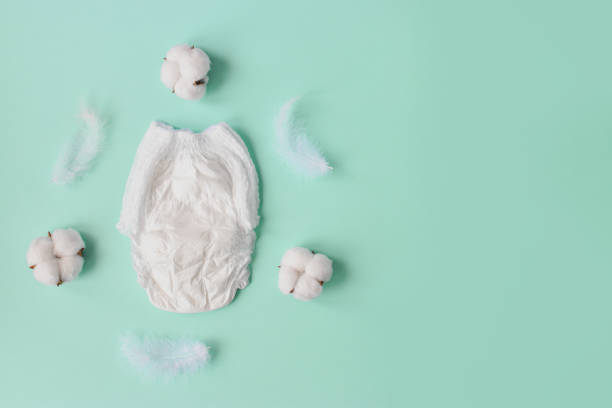
How to Measure Waist for Adult Diapers: A Practical Guide
How to Measure Waist for Adult Diapers: compare the key signals, common mistakes, and one-variable tests before changing size, product form, or routine.
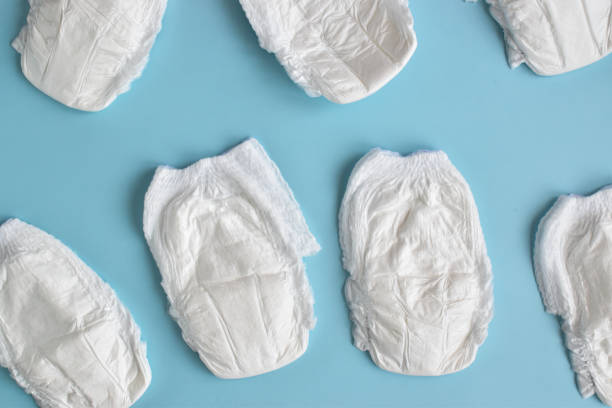
Incontinence Travel Emergency Kit: What to Check First
Incontinence Travel Emergency Kit: compare the key signals, common mistakes, and one-variable tests before changing size, product form, or routine.
Adult Diapers for Road Trips: What the Leak Pattern Can Tell You
Adult Diapers for Road Trips: compare the key signals, common mistakes, and one-variable tests before changing size, product form, or routine.
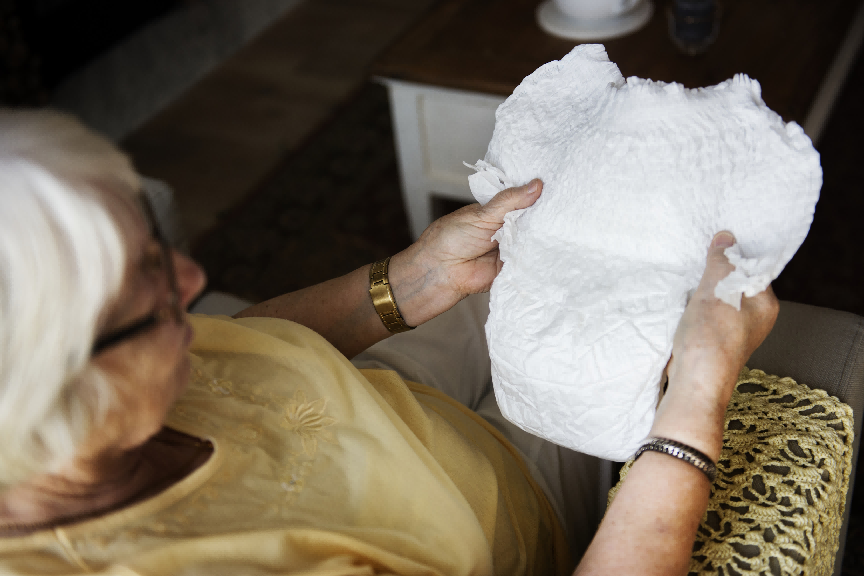
How to Dispose of Adult Diapers Discreetly: Fit, Routine and Next Steps
How to Dispose of Adult Diapers Discreetly: compare the key signals, common mistakes, and one-variable tests before changing size, product form, or routine.
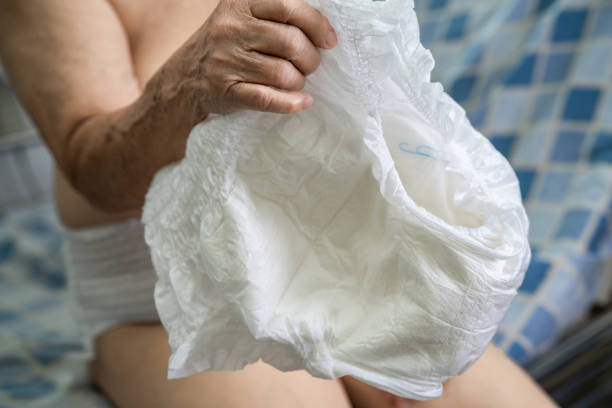
Discreet Storage for Incontinence Supplies: A Real-Life Checklist
Discreet Storage for Incontinence Supplies: compare the key signals, common mistakes, and one-variable tests before changing size, product form, or routine.
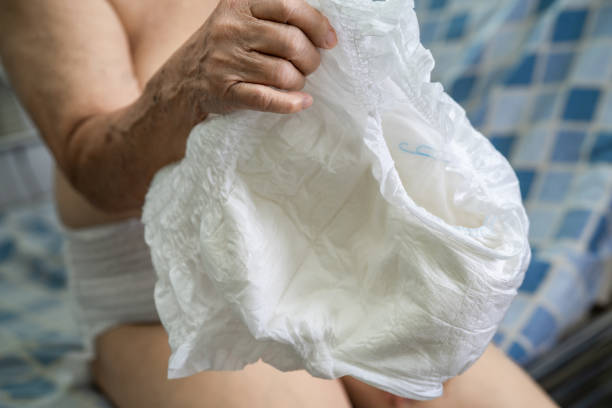
Adult Diaper Privacy Conversations: Before You Change Products
Adult Diaper Privacy Conversations: compare the key signals, common mistakes, and one-variable tests before changing size, product form, or routine.
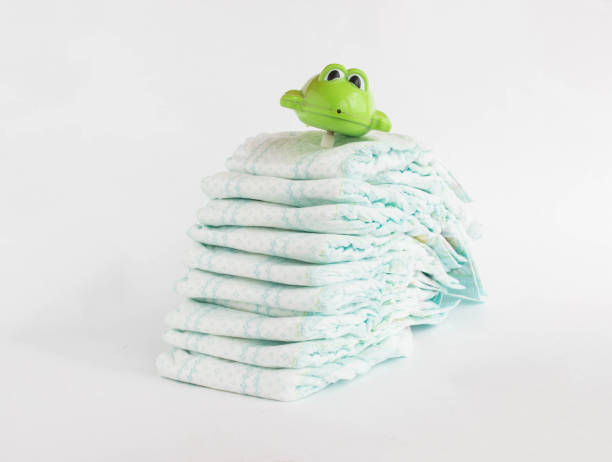
Adult Diapers for Independent Dressing: A Practical Guide
Adult Diapers for Independent Dressing: compare the key signals, common mistakes, and one-variable tests before changing size, product form, or routine.
How to Discuss Incontinence Privately: What to Check First
How to Discuss Incontinence Privately: compare the key signals, common mistakes, and one-variable tests before changing size, product form, or routine.
Adult Diaper Flow Rate for Continuous Leakage: What the Leak Pattern Can Tell You
Adult Diaper Flow Rate for Continuous Leakage: compare the key signals, common mistakes, and one-variable tests before changing size, product form, or routine.
Adult Diaper Travel Packing List: Fit, Routine and Next Steps
Adult Diaper Travel Packing List: compare the key signals, common mistakes, and one-variable tests before changing size, product form, or routine.