

Privacy and Dignity for Adult Diapers: Psychological Support and Emotional Coping

When it comes to adult diapers, many people’s first reaction is embarrassment, shame, or even rejection. Actually, this is perfectly normal. Using adult diapers is not just a physical need but also involves privacy, dignity, and mental health. You might worry: Will others find out? Will I lose self-esteem? These psychological fluctuations are actually more difficult to manage than physical issues. This article will provide you with comprehensive guidance, from psychological support and emotional coping to practical application, to help you use adult diapers comfortably while maintaining your dignity.
Table of Contents
Adult diapers and their psychological impact: Where does shame come from?
Many people believe that incontinence is merely a problem of weakened physical function, but the psychological impact is often more pronounced. Shame, embarrassment, and fear of being discovered—these emotions are often more distressing than physical discomfort.
- Shame: Some people feel that wearing diapers means being “out of control” or “getting old,” and this psychological pressure can affect their self-confidence.
- Social withdrawal: Fear of accidents or being noticed by others—many people choose to reduce their social activities, which can easily lead to loneliness or even anxiety over time.
- Damaged dignity: Long-term dependence on adult diapers may make one feel that they are no longer completely independent.
In fact, using adult diapers is a life assistance method that can help you maintain your activity level and quality of life, rather than being a symbol of failure.
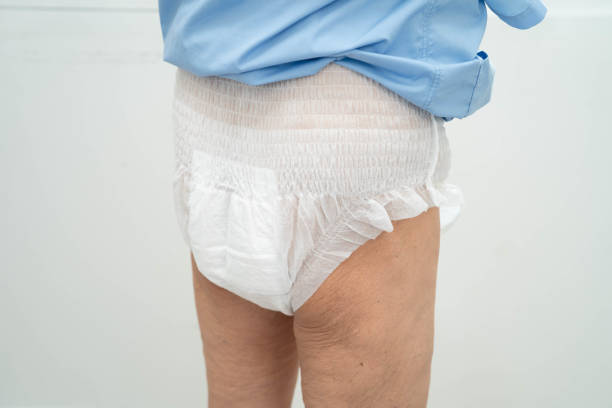
The key to protecting privacy and dignity
Privacy and dignity are of paramount importance to adult diaper users. Here are some practical, actionable approaches:
1. Choose an appropriate way of expression
Avoid using baby-like or negative labels such as “diaper” or “swaddle.” Instead, use terms like “care aid” or “protective wear,” which sound more neutral and professional and make the user feel more at ease.
2. Create a private space
At home or in a care setting, ensure there is a quiet, private space for changing. Respecting personal space is not only basic etiquette, but it also enhances self-esteem.
3. Participate in nursing decision-making
Involving users in the selection and replacement time of adult diapers enhances their sense of control. Having the power to decide on style, material, and absorbency not only improves comfort but also makes them feel respected.
4. Emphasize concealment design
Modern adult diapers are increasingly focused on a close fit, slim profile, and quiet design, making them less noticeable when out and about or in social situations, thus protecting privacy and dignity.
Mood fluctuations and psychological support
Emotional coping is an often overlooked aspect when using adult diapers. Let’s look at common emotions and coping strategies:
1. Shame and embarrassment
When people first start using it, many feel ashamed or even try to avoid it. Psychologically, they may experience self-criticism or a fear of social interaction.
Solution:
- Share your experience with someone you trust.
- Treat adult diapers as an aid, not a “sign of failure”;
- Try it on at home first, and gradually accept reality.
2. Worried about social interaction
The fear of being noticed in public can cause users anxiety and even prevent them from going out.
Solution:
- Choose products with high concealment;
- Appropriate clothing combinations, such as loose-fitting pants for coverage;
- Prepare a spare bag to deal with unexpected situations.
At the same time, joining mutual aid groups or online forums to share experiences and skills can also let users know that they are not alone.
3. Family relationships and emotional support
Family attitudes directly impact mental health. Supportive language and understanding behavior boost a user’s self-esteem and sense of security; conversely, a lack of support can increase feelings of shame and anxiety.
Practical suggestions:
- Discuss nursing issues in a calm and respectful tone;
- Retain the user’s decision-making power and avoid excessive intervention;
- Encourage participation in daily activities to reduce feelings of passivity.

Practical Strategies: Maintaining Dignity and Emotional Health
Education and Cognitive Adjustment
- Understand the common causes of urinary incontinence and eliminate feelings of shame.
- It is understood that using adult diapers is a form of life assistance, not a loss of ability.
Establish a support system
- Family, friends, or professional psychological counseling offer understanding and companionship.
- Sharing experiences in community groups or online forums can alleviate feelings of loneliness.
Mindfulness and self-acceptance
Mindfulness meditation, deep breathing exercises, and self-affirmation can alleviate anxiety and self-blame.
Participate in decision-making
Users can choose their own diaper style, absorbency, and changing time, increasing their sense of control.
FAQ: Diapers Use and Psychological Support
Q1: Why does even short-term use cause psychological stress?
A: Adult diapers touch upon feelings of body control, independence, and self-esteem, and even short-term use can trigger feelings of shame and anxiety. Appropriate psychological support and education can significantly alleviate these emotions.
Q2: How to maintain privacy in social situations?
A: Choose close-fitting, quiet, thin diapers and wear appropriate clothing; carry a changing bag with you. Plan your route and activity time in advance to reduce the possibility of accidents.
Q3: How should family members provide emotional support?
A: Focus on understanding, respect, and encouragement; avoid infantilizing or critical language; allow the user to participate in care decisions, and enhance their self-esteem.
Q4: Is psychological support effective?
A: Absolutely. Psychological counseling, family understanding, and support groups can alleviate shame, loneliness, and anxiety and help rebuild self-confidence and dignity.
Q5: Will long-term use affect self-esteem?
A: As long as the method is appropriate, the environment is respectful, and psychological counseling is adequate, using adult diapers can completely protect self-esteem and dignity while maintaining quality of life.

Conclusion: Balancing dignity and quality of life
Using adult diapers doesn’t mean failure but rather a life aid. With the right knowledge, psychological support, privacy protection, and emotional management, everyone can continue to live a quality life while maintaining dignity.
Remember, quality of life and mental well-being are equally important. The value of adult diapers lies not only in physical protection but also in giving you peace of mind and confidence to face each day of your life.
Related Posts

How to Use Adult Diaper Sample Packs before Buying a Case: A Real-Life Checklist
How to Use Adult Diaper Sample Packs before Buying a Case: compare the key signals, common mistakes, and one-variable tests before changing size, product form.
How to Talk to Parents About Adult Diapers: Before You Change Products
How to Talk to Parents About Adult Diapers: compare the key signals, common mistakes, and one-variable tests before changing size, product form, or routine.

How to Measure Waist for Adult Diapers: A Practical Guide
How to Measure Waist for Adult Diapers: compare the key signals, common mistakes, and one-variable tests before changing size, product form, or routine.
Incontinence Travel Emergency Kit: What to Check First
Incontinence Travel Emergency Kit: compare the key signals, common mistakes, and one-variable tests before changing size, product form, or routine.

Adult Diapers for Road Trips: What the Leak Pattern Can Tell You
Adult Diapers for Road Trips: compare the key signals, common mistakes, and one-variable tests before changing size, product form, or routine.
How to Dispose of Adult Diapers Discreetly: Fit, Routine and Next Steps
How to Dispose of Adult Diapers Discreetly: compare the key signals, common mistakes, and one-variable tests before changing size, product form, or routine.

Discreet Storage for Incontinence Supplies: A Real-Life Checklist
Discreet Storage for Incontinence Supplies: compare the key signals, common mistakes, and one-variable tests before changing size, product form, or routine.

Adult Diaper Privacy Conversations: Before You Change Products
Adult Diaper Privacy Conversations: compare the key signals, common mistakes, and one-variable tests before changing size, product form, or routine.

Adult Diapers for Independent Dressing: A Practical Guide
Adult Diapers for Independent Dressing: compare the key signals, common mistakes, and one-variable tests before changing size, product form, or routine.

How to Discuss Incontinence Privately: What to Check First
How to Discuss Incontinence Privately: compare the key signals, common mistakes, and one-variable tests before changing size, product form, or routine.
Adult Diaper Flow Rate for Continuous Leakage: What the Leak Pattern Can Tell You
Adult Diaper Flow Rate for Continuous Leakage: compare the key signals, common mistakes, and one-variable tests before changing size, product form, or routine.
Adult Diaper Travel Packing List: Fit, Routine and Next Steps
Adult Diaper Travel Packing List: compare the key signals, common mistakes, and one-variable tests before changing size, product form, or routine.